In recent years, both the medical community and the public have recognized the benefits of hyperbaric oxygen therapy (HBOT). This alternative treatment is prescribed for various illnesses and injuries. These include carbon monoxide poisoning, diabetic foot ulcers, gas gangrene, and decompression sickness.
Hyperbaric therapy is also used frequently to treat neurodevelopmental disorders of various kinds, both in children and in adults. Various studies have shown the efficacy of hyperbaric therapy for such conditions. As a result, more people are becoming aware of the key benefits of hyperbaric therapy, especially for treating individuals with autism.
What is Autism Spectrum Disorder?
Autism spectrum disorder or ASD is a relatively common neurodevelopmental disorder that affects millions of people around the world. This condition causes impairments in social communication and interactions. Patients also often find it harder to form social relationships with peers, coworkers, classmates, etc. Repetitive behavioral patterns, difficulty making eye contact, and restricted motor movements are some of the common symptoms of ASD.
However, not all individuals with ASD have the same symptoms. The severity of these symptoms also varies. As the name suggests, ASD exists on a spectrum. A person may experience mild symptoms or face severe behavioral challenges that affect daily life.
Over the years, the prevalence of autism has increased in the United States. Today, about one in fifty-nine children is born with ASD. This condition can cause social, emotional, and occupational challenges. If left untreated, it may lead to mental trauma and social isolation. Research suggests that the prevalence of autism is higher among boys than girls.
ASD is a multifactorial neurodevelopmental disorder which can be caused by both environmental and genetic factors. Exposure to drugs and toxins, socioeconomic problems, and prenatal and perinatal injuries can all be responsible for the manifestation of ASD in a child. Inflammation, cerebral hypoperfusion, and oxidative stress are some of the other factors that are commonly associated with autism.
How Does Hyperbaric Therapy Work?
Hyperbaric oxygen therapy is an alternative treatment modality that facilitates recovery in patients suffering from a variety of conditions. This therapy should ideally be used in conjunction with other mainstream treatment measures. Autistic individuals should partake in hyperbaric therapy sessions under the supervision of an experienced medical professional or hyperbaric expert.
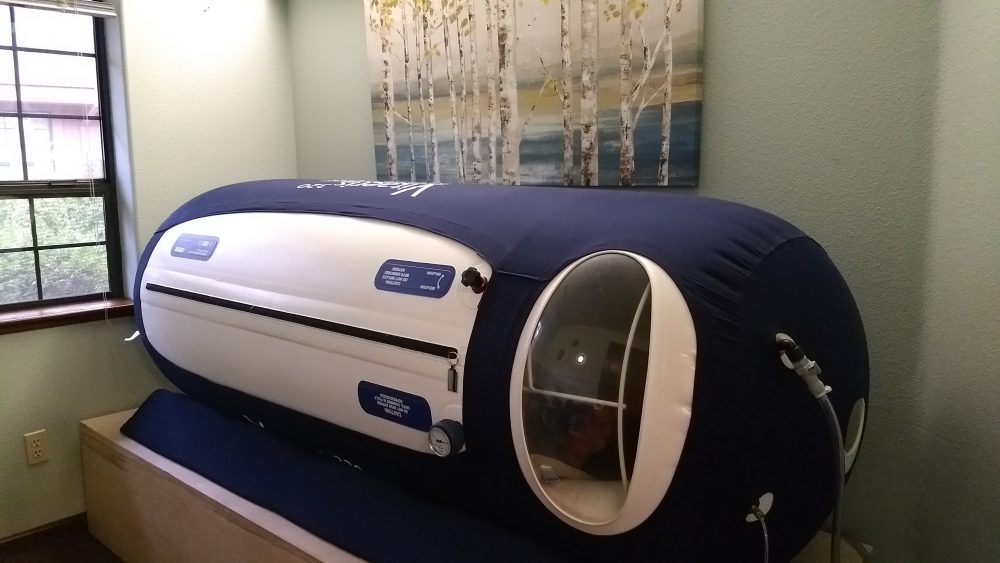
To avail the hyperbaric therapy benefits, a patient must enter a pressurized vessel known as the hyperbaric chamber. Inside this chamber, 100 percent pure oxygen is administered to the person suffering from autism. This oxygen is administered at heightened levels of atmospheric pressure, which might sometimes be as high as five times as much as normal pressure at sea level.
The higher pressure in HBOT allows oxygen to dissolve quickly into the patient’s bodily fluids. The plasma and cerebrospinal fluid then carry this oxygen throughout the body and brain. Injured areas of the brain, previously deprived of oxygen due to inflammation or damaged blood vessels, can now receive the oxygen they need to begin healing.
It is a well known fact in the medical community that oxygen helps with angiogenesis and tissue regeneration. It also helps reduce oxidative stress and inflammation. As a result of these factors, autistic children and adults often show remarkable recovery after undergoing a few sessions of HBOT. However, the number of HBOT sessions required will depend on the severity of the symptoms and various other factors.
Can Autistic Individuals Benefit from Hyperbaric Therapy?
Various studies and research initiatives have proved, time and again, that the hyperbaric therapy benefits with regard to autism are many and varied. Such benefits are experienced by both adults and children suffering from autism. However, the time it takes for such benefits to manifest, and the number of HBOT sessions that would be required, might vary from one person to the next.
Medical professionals know that hyperbaric therapy decreases markers or inflammation, improves cerebral perfusion, and helps reduce oxidative stress. Patients who have undergone hyperbaric therapy for autism have reportedly experienced marked improvements in various behavioral domains, including speech lucidity, social interactions, and motor control. Often, children with autism who undergo HBOT are able to communicate better with their parents and caregivers after a few months of therapy.
In Conclusion
Mentioned above are some of the major hyperbaric therapy benefits that patients living with autism have experienced in countries around the world. HBOT is also used to treat conditions such as post traumatic stress disorder (PTSD), traumatic brain injuries (TBI), and attention deficit hyperactivity disorder (ADHD). The hyperbaric community is working tirelessly to ensure that this alternative treatment option will be available to more and more patients at an affordable rate in the near future.