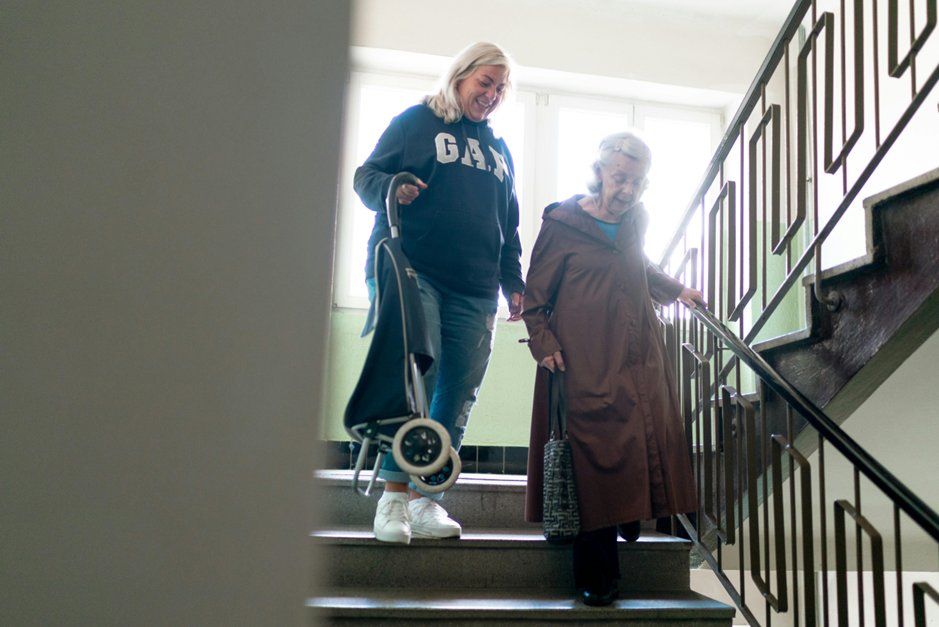
1. Understanding Senior Recovery Needs
The senior recovery process is a process that requires meeting many deep needs. In the first place, although old age is not a disease, it is a situation that slows down the restoration to health. Daily assistance is the next basic necessity, and seniors need help with routine things like eating, bathing, and dressing. Changes in mood and anxiety almost always accompany physical weakness. According to research, up to 40 percent of seniors become depressed after they leave the hospital. Common medicines prescribed in old age can also cause side effects.
2. Challenges After Hospital Discharge
When individuals visit their homes after spending some time in a hospital, they face numerous difficulties. One of the biggest problems is not adjusting to a hospital setting to everyday living. Some seniors are already confused about their own homes. It can also be very critical to take the right medications, as this has a serious health effect. Some seniors miss the dosage or incorrectly change the drugs because they do not have simple, organized instructions. Physical difficulties also complicate things as the patients can find it hard to move around their houses. Communications are also deficient since most family members are not well conversant or communicate deficiencies.
3. Role of Family and Caregivers
Family members and caregivers turn into so much more than companions; they become the lifeline to the older ones that are recovering at home. The psychological comfort you bring to older people when making such a transition through the kind words and gestures, cannot be underestimated. Listening can be of great assistance during hard times, being there. Care should also be taken to ensure that the elderly are fed and that they have a light housework. Keeping track of medication and warning signs of deterioration also reduces the anxiety of sudden mistakes and medical errors. In addition, older adults rely on their families to speak on their behalf to healthcare providers. Simple facts about the daily health patterns of their loved ones can inform better decisions.
4. Importance of Transitional Care in Recovery
You should also care about the transition from hospital to home because it can significantly affect the recovery of your elderly relatives. A methodical transition protocol establishes the type of care. More nurses, case managers, and other medical practitioners are actively involved in all these transition stages. This reduces the risk of receiving wrong instructions, losing treatment or misunderstanding. You can get proper transitional care from a reliable source that facilitates a safe handover of medication and a follow-up plan. They also make regular calls, home visits, or telehealth chats because of the more personalized follow-up. The role is well-suited to assist the patients in their first vulnerable days, both in medication maintenance and care planning.
5. Benefits of Structured Recovery Support
Excellent support reduces stress on families and people over time, and coping is far easier with a structure. The feeling of being safe is definitely heightened. Any sudden emergencies, like pain or stress, can be dealt with immediately, and it is best to avoid larger issues and repeated hospital visits. With good medical support, elderly individuals become empowered. They regain more independence as they start making small decisions and become more confident. Over the years, older adults who have had this type of support system have a much better quality of life and even longer lives.
Conclusion
Senior recovery must be planned to be effective and supportive. A period of transitional care is needed to secure steps in the post-hospital period, where various needs must be taken care of, such as physical strength and emotional well-being. The continuity of such care from hospital to home minimizes complications and hospital readmissions due to a good overview of care. This process also improves communication between families and healthcare teams and an opportunity is given to implement safe plans in a timely manner.