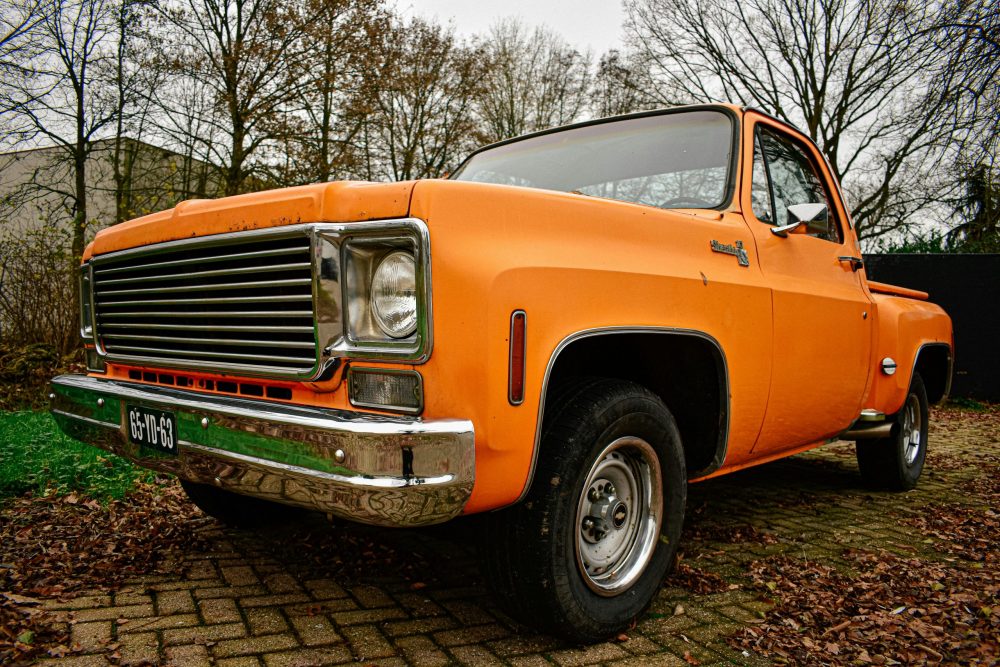
Pickup trucks are made to be useful in a lot of different ways. But each driver puts theirs to different tasks. Someone might haul equipment at construction spots. Another may pull trailers across highways. Someone else might handle it all, shuttling kids, gear, groceries and tools. So choosing a bumper is less about which brand lasts longest, more about matching what you do with your truck in the first place.
Bumpers often get chosen just because they seem nice to look at, yet nobody stops to consider if they actually fit the task. Picking one with more thought might protect your truck far better, reduce harm when things go wrong, and even help it handle tough jobs.
Daily Driving vs. Heavy-Duty Work
Bumpers on daily-driven pickups face city streets, where fender benders and cramped spots happen often. Not every truck battles job site chaos; some just dodge potholes and grocery store dings. Light-duty toughness matters more than heavy armor when roads stay paved and speeds stay low. Protection still counts – just shaped by stoplight traffic, not construction zones.
Bumpers giving just enough crash resistance but staying light usually perform well here. Heavy parts might lower gas mileage while changing how the vehicle rides, especially if it runs mostly on smooth streets.
Out on job sites, farms, or factories, heavy vehicles bump into rough ground, tools, and debris all the time. Because of this, being tough counts way more than looking good, so stronger frames help.
Towing, Hauling, and Rear-End Protection
Towing and hauling put demands on the back of a pickup truck. When you hook up a trailer, it can make the back of the truck move around. That can put a lot of stress on the truck. Rear bumpers that have features for towing or are made to be strong can help handle that stress.
For people who tow things often, the bumper is about being able to see what you are doing and getting to the trailer easily. If the bumper has steps or cutouts, it can make it easier to hook up a trailer. It is made to be strong, Can help protect the truck when you are driving in tight spaces.
If you pick a truck bumper that’s good for towing, it can reduce wear and tear on both the bumper and the trucks frame over time.
Off-Road and Uneven Terrain Considerations
Driving off road is a different story. Rocks, hills, and uneven ground can make it more likely that you will crash or scrape the truck. In these cases, it is just as important to have a bumper that can handle the ground as it is to have an one.
Bumpers that are made for off road use often have a profile and are made to be strong so they do not get damaged when you drive up or down steep hills. If the bumper is too big, it can get caught on things. Make the trucks frame weaker.
For people who drive off road a lot, they should pick a bumper that’s good for the kind of ground they drive on, not just one that is strong. If you have the balance of clearance and protection, you can drive better and feel more confident off road.
Safety, Visibility, and Modern Driving Conditions
These days, people expect cars to be safe. Backup cameras, sensors, and features that help you drive all need to be able to see what is going on and be lined up properly. If you pick a bumper that’s not good, it can block these systems and make blind spots or give you wrong readings.
You should think about how the bumper will work with the lights, sensors, and cameras on your truck. If the bumper has mounts for lights or is made to work with sensors, it can help keep you safe while also protecting your truck.
Balancing Protection, Weight, and Longevity
Bumping up the weight on your rig’s front or rear isn’t always better. Heavier bumpers may feel tough at first glance – yet they push extra strain onto the suspension system. That added load slows braking performance down, bit by bit. Fuel economy dips without warning. The long-term hit shows in frequent repairs. More mass means higher costs creeping in later.
Bumpers work best when they match your driving habits. When crashes aren’t likely, heavy-duty models may be more than you need. A simpler design often handles regular road life just fine.
Matching the Bumper to Your Real Needs
Built for real days, not guesswork – your truck’s guard should match your routine. Maybe rough trails shape your week, perhaps hauling does. What matters sits behind the wheel each time. Fit follows function when choices get made.
Hauling stuff around? Then you need something tough up front. Moving constantly? Then smooth function beats flashy design. A regular driver values steady performance more than extremes. Juggling jobs with your vehicle points toward flexibility instead of narrow skills.
Conclusion
Bumpers work best when they match what you actually do with your truck. Choosing one that lines up with your daily use adds safety, boosts performance, because it suits the way you drive. A mismatched part might weaken durability, but the right fit keeps everything running strong since it supports real-world needs.
Start anywhere – your daily route, maybe. Hauling gear changes things. Towing heavy loads? That matters too. Rough trails beat up parts faster. Mud, rocks, snow – they all shift the game. Match the front end to how it gets used. Let toughness follow function. Day after day, it must keep up.