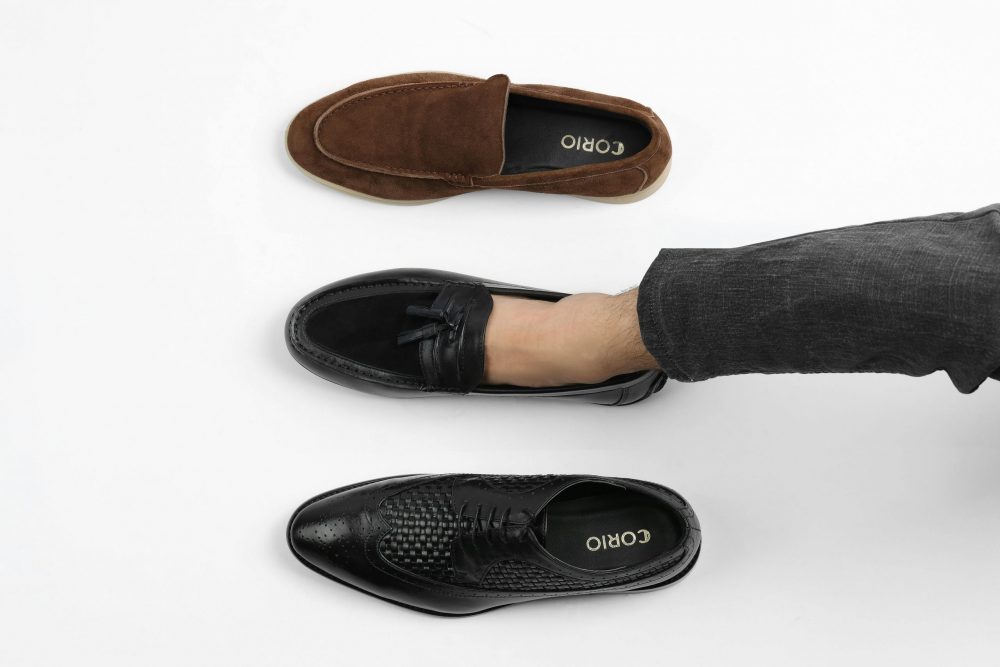
Most people don’t think much about their shoes… until they very suddenly do.
A blister appearing halfway through the day. That creeping foot fatigue after a “quick” errand run. Or the strange, off-kilter feeling that makes every step feel just a little uncertain. Suddenly, shoes go from being a simple background character to the main villain.
Our shoes change almost everything about how we move. How long we stay on our feet. How confident we feel walking into a room. Even how active we are throughout the day. So, shoes aren’t just there to complete your outfit.
When shoes work with your body, moving around feels so much easier. When they don’t… well, everything starts to feel harder than it needs to be.
Footwear: The True Foundation of Movement
Every step starts at ground level: shoes are the literal connection between your body and the world beneath you. They help stabilize you by absorbing the impact of your gait.
When footwear supports your foot naturally movement feels easy. You don’t notice your feet because everything is working as it should. But when shoes fight the way your feet want to move, your body ends up having to compensate for that.
Some bad pairs of shoes are sneaky. They may not immediately cause any painful blisters or cut off your circulation, but they can change the way you walk. A little strain here, a bit of imbalance there… and suddenly walking doesn’t feel quite so easy anymore.
What Does Comfortable Mean?
“Comfort” is super important, but it’s also super misunderstood. Soft shoes can feel great at first (almost cloud–like) but softness alone doesn’t equal comfort (not in the long run). The correct kind of comfort is when you stop thinking about your feet entirely.
Shoes that are too soft without any structure can tire you out, which forces your muscles to work harder to keep you staying stable. On the other hand (or should I say “foot”), shoes with structure, but no flexibility, can be super stiff.
Fit plays a starring role here. Shoes that are too tight restrict your circulation. Shoes that are too loose cause a lot of slipping and instability. That’s why you should focus on details like toe box shape, width, and heel fit when picking out a new pair.
Then there are materials. Breathable fabrics help regulate temperature (no one enjoys swampy feet). Flexible soles allow natural movement. Thoughtfully designed uppers provide support exactly where it’s needed.
Confidence Starts from the Ground Up
Confidence can be physical, too. Feeling stable while standing, walking, or changing direction changes how you move through the world.
Shoes with reliable support and traction create a sense of security that shows up in posture, stride, and body language. You walk with purpose instead of caution. You stand taller without even realizing it.
This matters most in real-life situations: uneven sidewalks, stairs, long days on your feet, crowded spaces, or quick directional changes. When your shoes feel dependable, your movements become smoother and more relaxed (and yes, people notice).
Supportive footwear also promotes better alignment, helping reduce awkward weight shifts or slouching. That subtle improvement in posture can influence both how others perceive you (and how you perceive yourself!).
Everyday Movement Adds Up
Movement is more than exercise: it’s walking to the car, it’s standing while cooking, it’s running errands, it’s pacing during work calls, and it’s even just moving around the house.
Footwear changes how effortless (or exhausting) those moments are. Uncomfortable shoes make life hard. And when every step is annoying, it becomes a whole lot easier to avoid movement.
But supportive shoes make moving feel automatic. When your feet don’t hurt, you’re more likely to take the long way, or say yes to just one more errand. Over time, these choices help your joint health, cardiovascular wellness, your mobility.
Where Style and Function Finally Meet
Here’s some terrific news: style and comfort no longer live in opposite corners of the closet.
Because there’s such a focus on comfort today rather than just looking good, a lot of modern shoes combine clean aesthetics with ergonomic features.
Normal, everyday shoes should be comfortable first and style second, but the best kinds of shoes use both. Special-occasion shoes can lean more heavily on appearance, but thoughtful design choices still go a long way in minimizing strain.
A simple tip? Try shoes on later in the day, when your feet are slightly swollen. Walk around. Test your balance. Notice pressure points. A few extra minutes in the store can prevent months of discomfort later.
Footwear Needs Change… And That’s Normal!
Your feet change over time. Your arch height can change; or maybe your joints need more support. In any case, your comfort priorities will naturally shift depending on where you are in your life or what kind of life you lead.
Younger adults usually look for versatility and fashion flexibility, but people with physically demanding jobs often need enhanced durability and cushioning. As people age, stability, slip resistance, and ease of wear become non-negotiables.
That’s where knowledgeable, in-person guidance can really help. If you’re in Wisconsin, for example, it would be best to visit a local Kenosha shoe store, where professionals can give shoppers the chance to talk through lifestyle needs, try multiple fits, and find footwear that actually works with where they are now. They’re also more likely to have higher quality options than what you’d typically find in big box stores.
The Emotional Side of Shoes
Shoes carry a lot of meaning. They relate to our identity, our profession, and even the way we choose to live. Athletic shoes are literally built to give you energy and movement. Polished, fancy footwear gives off professional vibes. And casual favorites feel familiar and friendly.
When shoes match with both your comfort and style, they improve your mood. You’re less distracted, less self-conscious, and more present.
Small Changes, Big Wins
Small changes make a huge difference. For example, wearing different shoes helps your shoes from wearing out unevenly or quickly, especially if you choose different types for different activities.
Instead of buying an entirely new pair of shoes, adding new insoles can also refresh an otherwise solid pair. And paying attention to how long you’ve had your shoes matters a lot, because shoes lose support way before they look worn out.
Conclusion
The right footwear makes everything else feel right. Your comfort, stability, confidence, posture, and long-term health are all changed by what’s on our feet.
When you wear the right pair of shoes, everything feels easier, more confident, and more comfortable… one step at a time.